

Logo Designing

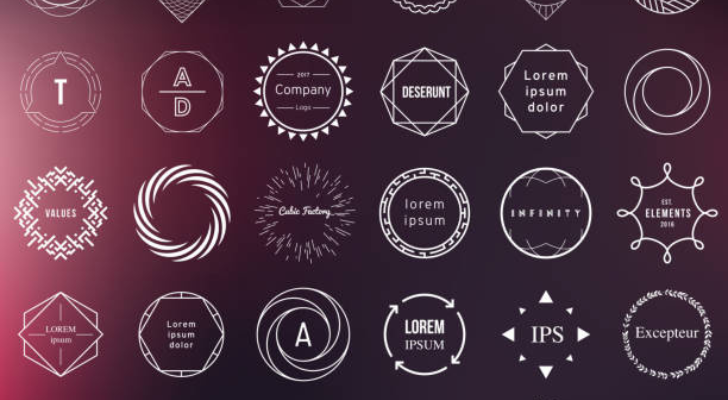
A logo is the visual cornerstone of a brand, representing its identity, values, and personality in a single, iconic mark. The process of logo design is a delicate balance of artistic creativity and strategic thinking, aiming to create a lasting and recognizable symbol that resonates with the target audience. Let's explore the key principles and considerations in the art of logo designing.
1. Understand the Brand: Before diving into design, thoroughly understand the brand's mission, values, and target audience. A logo should encapsulate the essence of the brand and evoke the desired emotional response from consumers.
2. Simplicity is Key: The most memorable logos are often the simplest. Aim for a design that is clean, uncluttered, and easily recognizable. A simple logo is versatile and effective across various mediums and sizes.
3. Versatility and Scalability: Ensure that the logo remains effective and recognizable whether it's displayed on a billboard or a business card. A scalable design allows for adaptability without losing its impact.
4. Distinctive and Memorable: A successful logo should stand out from the competition and be memorable to the target audience. Strive for uniqueness while avoiding clichés or overly complex designs.
5. Timeless Design: A timeless logo transcends trends and remains relevant over the years. Avoid overly trendy elements that may become outdated, opting for classic and enduring design elements.
6. Consider Color Psychology: Colors evoke specific emotions and associations. Choose colors that align with the brand personality and resonate with the target audience. Consider how the logo will look in both color and grayscale.
7. Typography Matters: If your logo includes text, select a font that complements the brand identity. Ensure readability and consider customizing or modifying fonts to create a unique typographic mark.
8. Flexibility in Black and White: A great logo should be effective in black and white, as well as in color. Test your design in monochrome to ensure its clarity and impact remain intact.
9. Hidden Meaning or Symbolism: Consider incorporating subtle symbolism or hidden meanings within the logo that reflect the brand's values or narrative. This adds depth and intrigue for those who discover these nuances.
10. Test Across Platforms: Before finalizing a logo, test its visibility and impact across various platforms and mediums. Ensure it is legible on digital screens, print materials, and promotional merchandise.
11. Seek Feedback: Gather feedback from stakeholders and potential customers during the design process. Constructive input can provide valuable insights and help refine the design.
12. Professionalism in Execution: A well-executed logo reflects professionalism and attention to detail. Pay careful attention to proportions, alignment, and visual balance to create a polished final product.
Example of a Logo Design for a Tech Company:
Elements: A sleek, abstract representation of a circuit board integrated with the company initials. Colors include a gradient of blue and green, symbolizing innovation and growth.
This example combines simplicity, symbolism, and a modern color palette to create a memorable logo for a tech company.